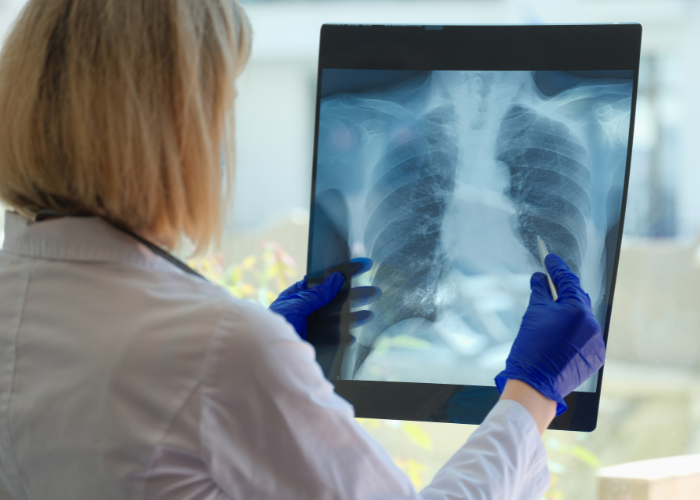
COPD is often mistaken for normal aging, especially when symptoms come on slowly. A lingering cough, more shortness of breath than usual, or trouble keeping up with daily activities can be easy to explain away. But those changes deserve attention.
Early evaluation can help people manage symptoms sooner, slow progression, and learn about treatment or research options that may be available.
Understanding COPD: More Than an Aging Issue
Chronic obstructive pulmonary disease (COPD) is a chronic, progressive lung disease that primarily affects airflow and breathing. Consisting mainly of chronic bronchitis and emphysema, COPD is generally characterized by persistent respiratory symptoms and airflow limitation. According to the World Health Organization (WHO), COPD is the third leading cause of death around the world, accounting for approximately 3.23 million deaths annually.
A pervasive misconception is that increasing breathlessness, coughing, and reduced energy are just part of getting older. While aging can affect lung function, COPD has specific pathological changes that make it distinct. Treating COPD as merely a symptom of aging delays effective intervention, which can be detrimental to patient outcomes.
Clinical research has uncovered multiple causes of COPD, with smoking as the leading risk factor, but exposure to air pollutants, occupational dust, genetic predisposition (such as alpha-1 antitrypsin deficiency), and recurring respiratory infections also play significant roles. Recognizing that COPD is not an inevitable part of aging helps individuals and healthcare professionals alike to better address and research this critical health condition.
Early Signs of COPD: What to Watch For
Detecting COPD early is important for managing symptoms, slowing disease progression, and improving overall quality of life. Far too often, the early warning signs are mistaken for typical signs of aging or for having a mild respiratory infection. However, research and clinical observations highlight several early indicators that warrant attention:
1. Persistent Cough
A lingering cough is one of the earliest and most common symptoms. Often referred to as a ‘smoker’s cough,’ this symptom isn’t exclusive to smokers. The cough may be dry or productive (producing mucus), and it tends to persist for weeks or months. If you or someone you know experiences a consistent cough that doesn’t resolve, it should prompt further evaluation.
2. Increased Sputum Production
Chronic sputum (mucus) production, particularly in the morning, may signal early COPD. Changes in the color, consistency, or quantity of sputum also raise red flags. This symptom is frequently underreported but serves as a key differentiator from normal aging.
3. Shortness of Breath (Dyspnea)
One of the hallmark symptoms is unexplained breathlessness, particularly during normal daily activities. Individuals may find themselves having to pause when climbing stairs, walking moderate distances, or even performing routine housework.
4. Wheezing and Chest Tightness
Wheezing (a whistling sound when you breathe) and a feeling of tightness or pressure in the chest are early clues. These symptoms are not exclusive to conditions like asthma and should never be ignored, particularly if they develop in middle or older age.
5. Fatigue and Reduced Exercise Tolerance
Unexplained fatigue and a decline in exercise capacity are often attributed to aging, but may be more indicative of underlying lung problems. Individuals living with undiagnosed COPD may find themselves gradually withdrawing from physical and social activities as their energy levels fall.
Early detection can slow COPD progression and may also make people eligible for studies testing new interventions.
Frequently Overlooked Risk Factors
Many associate COPD almost exclusively with smoking, but the causes and risk factors extend well beyond tobacco exposure. Understanding these risk factors is essential for early identification, prevention, and clinical research advancement.
Tobacco Use
Cigarette smoking remains the dominant risk factor for COPD, especially in high-income countries. However, cigars, pipe smoking, and even secondhand smoke exposure contribute significantly to risk. Quitting tobacco, regardless of age or duration of use, has been shown in clinical studies to slow disease progression.
Environmental and Occupational Exposures
Exposure to workplace dust, chemicals, and fumes is particularly significant in industries like mining, construction, and manufacturing. Air pollution — both indoor (biomass fuel smoke from cooking and heating) and outdoor (urban smog) — is a well-established contributor, especially in developing countries.
Genetic Susceptibility
Though rarer, certain genetic factors substantially increase susceptibility. The most notable is alpha-1 antitrypsin (AAT) deficiency, a protein required to protect the lungs from damage. Individuals with AAT deficiency are more prone to early-onset emphysema and may benefit from genetic screening and specialized treatments.
Respiratory Infections and Other Health Conditions
Frequent respiratory infections during childhood, asthma, and chronic bronchitis increase COPD risk. Multiple studies show that an individual’s lung development and health across their lifespan impact COPD risk, emphasizing the need for comprehensive, longitudinal research in this field.
Why Early Diagnosis Matters
Early diagnosis of COPD yields clear benefits for patients, clinicians, and the medical research community. According to the Global Initiative for Chronic Obstructive Lung Disease (GOLD), early-stage COPD is often underdiagnosed, as patients underreport symptoms or attribute them to aging.
Benefits of Early Diagnosis
- Improved Prognosis: Initiating bronchodilator and anti-inflammatory treatments in the early stages preserves lung function and delays progression. Clinical data suggests a marked reduction in hospitalizations when early intervention protocols are implemented.
- Access to Clinical Trials: Many ongoing studies focus on early-stage interventions — from novel inhaled therapies to pulmonary rehabilitation approaches. Early diagnosis makes patients eligible for this new research, often providing access to therapies not yet widely available.
- Enhanced Quality of Life: Through lifestyle modifications, personalized therapy, and symptom management, individuals can maintain independence and daily activity longer.
- Prevention of Exacerbations: Early identification allows for close monitoring and prevention of acute exacerbations — episodes of worsening symptoms that often result in emergency care or hospitalization.
Diagnosing COPD: Tests and Tools
Diagnostic steps include a combination of patient history, physical examination, and pulmonary function tests (spirometry). Spirometry is the gold standard: it measures how much air you can inhale and exhale, and how quickly you can exhale. Other tests — including chest X-rays, blood gas analysis, and genetic testing for AAT deficiency — may be recommended based on symptoms and risk factors.
Living With COPD: Practical Management and Research Developments
A COPD diagnosis can be life-changing, but evidence-based interventions and ongoing medical research offer hope and improve daily living. Individuals who catch the signs early and take action are better equipped to manage the disease.
Lifestyle Adjustments
- Smoking Cessation: The single most effective step to slow COPD progression. Both behavioral support and medical therapies (nicotine replacement, prescription medications) increase quit success rates. Research shows former smokers with COPD still benefit significantly from quitting.
- Physical Activity: Moderate, regular exercise improves respiratory muscle strength, boosts energy levels, and reduces hospitalizations. Pulmonary rehabilitation programs — structured, research-backed exercise and education — provide additional benefits.
- Healthy Nutrition: A balanced, nutrient-rich diet supports immune function, prevents muscle loss, and improves energy. Unintentional weight loss or malnutrition is common in advanced COPD and should be monitored.
Therapeutic Advances and Clinical Trials
Recent years have brought promising new therapies through clinical research:
- Bronchodilators and Combination Inhalers: Modern inhalers target airway tightness and inflammation, helping to control symptoms and prevent exacerbations. Newer molecules with dual actions offer enhanced symptom control.
- Anti-Inflammatory Therapies: Corticosteroids, phosphodiesterase-4 inhibitors, and biologics are being evaluated for patients with frequent exacerbations or certain inflammatory phenotypes.
- Vaccinations and Infection Prevention: Annual flu shots, pneumococcal vaccines, and COVID-19 immunizations are strongly advised for COPD patients to reduce the risk of respiratory illness.
- Emerging Research: Clinical trials are investigating therapies like regenerative medicine, stem cell interventions, and gene therapies, especially for those with genetic forms or advanced disease.
Enrollment in clinical trials can provide access to new interventions and often involves close monitoring and comprehensive care. The U.S. National Institutes of Health (NIH) and global consortia regularly recruit volunteers for COPD research — highlighting the important role patients play in advancing medical knowledge.
Clinical Trials and COPD Research
COPD research continues to expand as scientists learn more about the disease. Clinical trials test new therapies, devices, rehabilitation approaches, and ways to identify COPD earlier. For some patients, research participation may provide additional monitoring and access to investigational options.
Why Participate in Clinical Trials?
- Access to Innovative Therapies: Trials often provide access to drugs, devices, or approaches years ahead of general approval.
- Expert Medical Oversight: Participants receive close monitoring by leading respiratory specialists.
- Contribution to Science: Every trial participant helps researchers better understand COPD’s causes, progression, and effective treatments.
- Enhanced Support: Many studies offer additional resources and education that improve self-management and quality of life.
To find ongoing COPD clinical trials, visit ClinicalTrials.gov or sign up for information at MBR. Always discuss research participation with your healthcare provider.